
30-Day Emotional Self-Care Plan for Deep Inner Peace & Lasting Happiness 🌿

Emotional well-being isn’t something that happens automatically. You build it, nurture it, and protect it. A structured Emotional Self-Care Plan can help you bring real balance to your life—especially if stress, overthinking, or emotional exhaustion are blocking your inner peace. This guide is designed so anyone can follow it easily, whether you’re a student, busy parent, or working professional. 🌼
Implementing a Self-Care Plan gives you tools to enhance your well-being daily and allows you to prioritize your mental health.
Why You Need a Strong Emotional Wellness Routine 💛
Life throws challenges at us—uncertainty, relationship stress, responsibilities, pressure, and social expectations. Without a proper emotional wellness routine, these small stresses pile up until they feel heavy. A daily Self-Care Plan brings clarity, helps you reset your mind, and slowly builds emotional immunity. Think of it as daily nourishment for your inner world. 🌱
Creating and following an Emotional Self-Care Plan empowers you to take proactive steps toward your emotional wellness.
How This 30-Day Emotional Self-Care Plan Works 🌟
This plan works like a step-by-step journey. Each day has a simple but powerful activity that strengthens emotional resilience. Every task takes only a few minutes—but the transformation over 30 days can be massive. Consistency is the magic here.✨
Daily Activities Breakdown (Before Starting the 30 Days) ✨
Before jumping into the daily steps, let’s understand what this plan includes. You’ll find activities like journaling, breathing practices, mindfulness exercises, emotional detox techniques, reflection, and self-connection tasks. These are carefully chosen to make your Emotional Self-Care Plan effective and life-changing. 🌻
These activities are integral to any comprehensive Self-Care Plan aimed at lasting change.
Read more: 5 Simple Steps to Manage Stress in Your Romantic Relationships (Backed by Psychology)
Your 30-Day Emotional Self-Care Plan 🌿
Below is the full 30-day routine. Follow it step by step and watch how your emotional energy shifts into something powerful, calm, and centered. 💚
Day 1: Morning Mind Reset ☀️
Start your journey with a calm mind. Sit quietly for five minutes and breathe deeply. Allow your thoughts to slow down naturally. This simple grounding exercise helps you begin the month with clarity. It sets the foundation for your overall Emotional Self-Care Plan by giving your brain a moment to detach from chaos.
Day 2: Gratitude Mapping ✨
Gratitude is a cornerstone of an effective Emotional Self-Care Plan that shifts your focus from what’s lacking to what you appreciate.
Write down five things you are grateful for. They can be big or small—your health, a friend, a meal, or even your ability to start this journey. Gratitude improves emotional balance and increases your resilience by shifting focus from stress to abundance.
Day 3: Digital Detox for One Hour 📵
Spend one hour without your phone. No notifications, no social media, and no screen scrolling. This break helps your mind breathe and reduces emotional overload. Even one hour of digital silence can bring unbelievable peace.
Day 4: Emotional Check-In 🧡
Sit with your emotions today. Ask yourself: “What am I feeling right now?” Write the answer in one or two sentences. Naming emotions reduces their intensity and gives you better emotional control.
Day 5: Positive Affirmation Practice 💬
Positive affirmations are essential in reinforcing your Emotional Self-Care Plan, helping maintain a positive mindset.
Create three positive affirmations such as “I am capable,” “I deserve peace,” or “I am enough.” Repeat them twice a day. These words slowly shape your mindset and align your emotional energy with positivity.
Day 6: 10-Minute Nature Walk 🌿
Go outside and walk mindfully. Focus on the air, sound, and sunlight. Nature naturally rebalances your emotions and lowers the stress hormone cortisol. Even 10 minutes can refresh your entire mood.
Day 7: Declutter Something Small 🧹
Clean a drawer, your desk, or your phone gallery. Decluttering creates a sense of control and emotional cleanliness. Your environment directly influences your mind, so this step strengthens your Emotional Self-Care Plan.
Day 8: Hydrate Your Mind 💧
Nature walks can be a vital part of your Emotional Self-Care Plan, enhancing both mood and emotional clarity.
Drink enough water throughout the day. When the body is dehydrated, anxiety increases. Staying hydrated helps stabilize mood and sharpen mental clarity. This small step makes a big emotional difference.
Day 9: Slow Living Hour 🌸
For one hour, do everything slower than usual—eat slowly, walk slowly, breathe slowly. Slowing down helps you reconnect with the present moment and breaks the cycle of rushing and overthinking.
Day 10: Journal Your Heart Out ✍️
Write freely for ten minutes. Don’t judge or edit your thoughts. Journaling helps release emotional tension and makes room for calmness. It’s like emotional detox through words.
Day 11: Boundaries Day 🚧
Say “no” to something that drains your energy. Setting boundaries is emotional self-respect. It protects your peace and teaches others how to treat you.
Day 12: Creativity Boost 🎨
Do something creative—drawing, singing, decorating, designing, cooking, anything. Creative expression helps your emotions flow naturally and reduces stress significantly.
Day 13: Social Connection Check ❤️
Call or text someone who genuinely cares about you. Positive social interaction boosts happiness hormones and reduces emotional loneliness. You deserve connections that uplift you.
Day 14: Mindful Eating Practice 🍽️
A slower-paced hour allows you to reflect on your Emotional Self-Care Plan and appreciate the present moment.
Eat one meal without distraction. Taste every bite slowly. Mindful eating helps reduce anxiety and teaches you to stay present in your body rather than lost in your thoughts.
Day 15: Mirror Talk 💛
Look at yourself in the mirror and say something kind. Compliment your strength, resilience, or progress. Self-compassion is the heart of an effective Emotional Self-Care Plan.
Day 16: Deep Breathing Therapy 🌬️
Try 4-7-8 breathing: inhale for 4 seconds, hold for 7, exhale for 8. This technique instantly calms your nervous system and reduces emotional overwhelm.
Day 17: Mini Meditation Session 🧘♀️
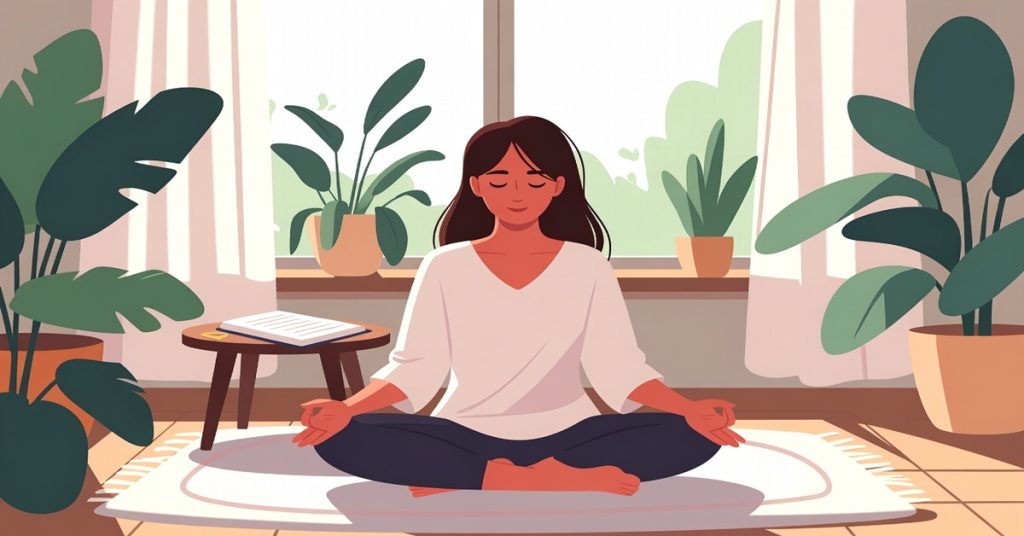
Meditate for five minutes focusing on your breath. Meditation is proven to improve emotional stability, reduce stress, and rewire the brain for positivity.
Day 18: Emotional Pause Button ⏸️
Whenever you feel irritated, pause for 10 seconds. This teaches emotional discipline and prevents impulsive reactions. Over time, this becomes a powerful emotional superpower.
Day 19: Treat Yourself 🍫
Do something nice for yourself—your favorite snack, music, or hobby. Feeling cared for helps the heart relax and increases emotional satisfaction.
Day 20: Letting Go Activity 🕊️
Write down something you want to release—fear, guilt, or overthinking. Then tear the paper. This symbolic act helps shift emotional energy and remove mental burdens.
Day 21: Learn Something New 📘
Watch a short educational video or read an article. Learning triggers emotional excitement and builds confidence that you are growing daily.
Day 22: Declutter Your Mind 🧠
Create a simple to-do list for tomorrow. This reduces emotional pressure and helps your mind relax before sleep.
Day 23: Self-Compassion Exercise 💗
Write a letter to yourself the way you would comfort a friend. This exercise builds inner kindness and reduces emotional harshness.
Day 24: Laugh Therapy 😄
Watch something funny. Laughter releases natural stress-relief hormones and instantly lifts mood.
Day 25: Relationship Reflection ❤️🩹
Think about your closest relationships. Identify which ones give you peace and which ones drain you. This awareness helps you protect your emotional space better.
Day 26: Vision Board Activity 🌈
Create a small list of how you want your emotional life to look. Vision inspires action and strengthens your long-term emotional direction.
Day 27: Quiet Evening 🌙
Spend the evening without noise. No TV, loud music, or unnecessary talking. Your mind needs silence to heal deeply and emotionally recharge.
Day 28: Heart-Centered Breathing ❤️
Place your hand on your chest and breathe slowly. Feel your heartbeat. This helps connect your mind and emotions, creating inner stability.
Day 29: Self-Validation Day ✨
Tell yourself: “My feelings are valid.” Validating your emotions reduces self-doubt and builds inner strength.
Day 30: Celebrate Your Transformation 🎉
Look back and appreciate the changes you’ve made. Completing this Emotional Self-Care Plan shows discipline, courage, and growth. Celebrate your emotional progress—big or small.
Completing this Emotional Self-Care Plan signifies the remarkable progress you’ve made towards emotional well-being.
Read more: 8 Effective Communication Skills for Emotional Wellness [2025 Guide]
Deep Emotional Healing Through Daily Awareness 🌿
Building long-term emotional strength starts with awareness. Most people don’t realize how many emotions they carry throughout the day—fear, worry, excitement, disappointment, joy, confusion, frustration. These emotions silently influence decisions, relationships, motivation, and even sleep quality. When you follow an Emotional Self-Care Plan, you become aware of what’s happening inside you instead of being controlled by hidden emotions. This self-awareness works like emotional cleansing, removing layers of stress that you didn’t even know existed. 🌼
Daily awareness allows you to pause and observe your inner world—what triggers your reactions, what drains your energy, and what brings peace. When you start identifying these patterns, your emotional strength grows naturally. Instead of reacting instantly, you respond with clarity. Instead of holding pain inside, you process it. This subtle transformation builds the foundation for a peaceful inner life. Over time, you’ll notice that your mind doesn’t get overwhelmed as easily because it now understands how to handle emotions with maturity and calmness. ✨
Rewiring Your Mind for Lasting Inner Peace 🧠✨
Every habit, belief, and emotional pattern you have today was formed over years. So, emotional healing doesn’t happen overnight. The beauty of a structured Emotional Self-Care Plan is that it helps rewire your emotional responses. The more you practice the daily activities, the more your brain learns new pathways—calm instead of panic, patience instead of irritation, forgiveness instead of resentment, clarity instead of confusion. 🌟
Neuroscientists often explain that the brain changes through repetition. If you continuously expose your mind to practices like mindfulness, gratitude, journaling, or slow breathing, your emotional system becomes more balanced. You begin to handle stress better, think more positively, and stay emotionally grounded even in difficult situations. This long-term rewiring is one of the greatest benefits of following a consistent Emotional Self-Care Plan. 🌿
The transformation doesn’t look dramatic at first. It happens in small steps—your reactions become softer, your mind becomes clearer, your relationships become healthier, and your overall energy becomes lighter. This quiet inner shift is what creates long-term happiness, something external achievements alone cannot give. 🌈
The Connection Between Emotional Care and Physical Health 🧘♀️❤️
Many people underestimate how deeply emotions affect physical health. Stress and unprocessed emotions can trigger fatigue, headaches, poor digestion, anxiety, and sleep problems. When your emotions remain bottled up, the body reacts. That’s why an Emotional Self-Care Plan doesn’t just improve your mental state—it directly improves your physical well-being as well. 🌿
Practices like mindful breathing, journaling, walking, or emotional reflection activate the parasympathetic nervous system—the part of your body responsible for relaxation. When this system is active, your heartbeat becomes steady, your muscles relax, your digestion improves, and your body shifts into healing mode. Imagine how powerful this becomes when practiced daily for 30 days straight. Your entire body experiences a reset, making you healthier, calmer, and more emotionally aligned. 🌼
Strengthening Your Relationship With Yourself 💛
One of the biggest emotional wounds people carry is the lack of self-connection. We try to please others, meet expectations, and keep relationships alive—yet forget the most important relationship: the one we have with ourselves. A well-designed Emotional Self-Care Plan slowly rebuilds that inner relationship by teaching you self-kindness, self-respect, and self-understanding. 🌸
You learn to listen to yourself more deeply—your needs, your fears, your dreams, your inner voice. When you give yourself time, love, and attention, something beautiful happens: your emotional boundaries get stronger, your confidence grows, and you stop chasing external validation. You begin to value your worth from the inside rather than depending on something temporary or unstable. This inner connection becomes the strongest emotional foundation you will ever build. 🌟
Breaking Free From Emotional Overthinking ✨
Overthinking is one of the biggest emotional barriers people face. When your mind constantly replays memories, creates imaginary fears, or repeats negative thoughts, your emotional health suffers. But when you follow an Emotional Self-Care Plan, you learn techniques that reduce mental noise and bring your mind back to the present moment. 🌿
Deep breathing reduces anxious thoughts. Journaling removes mental clutter. Gratitude shifts your mindset. Mindful walking brings you back to your body. Self-compassion softens harsh inner criticism. Each of these practices breaks the cycle of overthinking and teaches your mind to rest. Slowly, the grip of negative thoughts weakens. Your mind becomes more peaceful, focused, and emotionally grounded. 🌼
Creating Emotional Stability in Relationships ❤️🩹
Healthy relationships require emotional maturity—something many people struggle with without even realizing it. When you practice emotional care daily, you become someone who communicates clearly, listens mindfully, and understands emotions instead of reacting impulsively. This is exactly why following an Emotional Self-Care Plan improves not just your inner world but also the quality of your relationships. ✨
You learn to express your needs gently, set boundaries without guilt, respect others’ feelings, and avoid emotional outbursts. These skills make you a calmer partner, a more patient friend, and a more grounded family member. Emotional stability doesn’t mean you never feel upset—it means you understand your emotions and respond with clarity instead of chaos. 🌿
The Power of Emotional Release 🌧️➡️🌤️
Many people think holding emotions inside makes them stronger, but the truth is the opposite. Suppressed emotions become heavier over time, affecting your behavior, relationships, and happiness. Following an Emotional Self-Care Plan gives you a safe space to release these emotions—whether through journaling, quiet reflection, conscious breathing, or simply acknowledging your feelings. 💛
When you don’t hide your emotions, healing begins. Releasing emotional pain doesn’t make you weak—it makes you free. It clears your mind, lightens your heart, and opens the door for emotional growth. Emotional release is one of the most powerful tools you gain from maintaining a consistent wellness routine. ✨
Read more: 12 Life-Changing Habits To Improve Your Emotional Intelligence
Building Emotional Discipline and Self-Control 🌙
Emotional discipline doesn’t mean controlling your emotions forcefully. It means understanding them and managing your reactions wisely. When you follow an Emotional Self-Care Plan, you slowly develop this discipline. You start recognizing triggers, responding more thoughtfully, and choosing peace over impulsive reactions. 🌿
This emotional discipline protects you from unnecessary arguments, misunderstandings, and emotional exhaustion. It becomes easier to stay calm even when others around you are stressed or upset. With time, this discipline becomes your emotional shield—keeping your energy balanced and your inner world peaceful. 💚
Transforming Stress Into Strength 🌟
Stress is not always the enemy—unmanaged stress is. Through daily emotional care, you learn how to transform stress into something healthier. Techniques like journaling, meditation, gratitude, and reflection help your mind process stressful situations instead of avoiding them. This builds emotional resilience, turning stress into an opportunity for growth rather than something that harms you. 🌼
A strong Emotional Self-Care Plan trains your mind to remain calm under pressure. It teaches you how to pause, reassess, and respond smarter. Instead of breaking down, you learn to rise. Instead of getting drained emotionally, you become wiser. This emotional strength becomes a lifelong advantage—not just for your mental health but for your career, relationships, and personal growth. 🌈
Strengthening Your Emotional Identity 🌻
Your emotional identity is the part of you that defines what you believe, how you feel, how you handle life, and how you express yourself. When you give yourself emotional care consistently, your emotional identity becomes stronger, clearer, and more confident. You stop seeking approval from others and start trusting your inner voice. 🌿
A strong emotional identity means you know who you are and what you want. You understand your boundaries, your emotional capacity, your strengths, and your vulnerabilities. You become more authentic, less fearful, and more aligned with your true self. This type of emotional strength is rare—but following an Emotional Self-Care Plan helps you build it step by step. 💛
Healing Emotional Fatigue and Mental Exhaustion 🌙
Many people carry emotional exhaustion without realizing it. They feel tired even after sleeping, mentally drained even after resting, or emotionally heavy without any clear reason. This is emotional fatigue—a sign that your inner world needs care. Through daily intentional practices, an Emotional Self-Care Plan helps heal emotional fatigue by giving your mind the rest and nourishment it has been craving for so long. 🌿
When you slow down, breathe deeply, journal, and reflect, your emotions release tension stored inside. Your mental energy begins to rebuild. You start waking up with more clarity and feeling more grounded throughout the day. Emotional fatigue turns into emotional renewal when you show your inner world consistent compassion. 💚
Embracing a Calmer, More Peaceful Lifestyle 🌤️
Emotional wellness is not a one-time achievement—it’s a lifestyle. Following a consistent Emotional Self-Care Plan introduces you to the beauty of slow living, mindful breathing, peaceful awareness, and meaningful reflection. This lifestyle allows you to live with intention instead of rushing through life on autopilot. 🌿
You begin to enjoy small moments more deeply—the breeze outside, the sound of morning birds, the joy of a simple cup of tea, or the peace of a quiet evening. Life becomes softer, kinder, and more meaningful. This shift happens naturally when your emotional world becomes balanced and grounded. ✨
Frequently Asked Questions (FAQs) ❓
1. Can this Emotional Self-Care Plan help with anxiety?
Yes, these daily activities reduce stress, calm the nervous system, and improve emotional stability—helping relieve anxiety.
2. How long should I follow this plan?
You can repeat the 30 days anytime. Many people like to continue it monthly for consistent growth.
3. Is this plan suitable for teenagers or beginners?
Absolutely. All tasks are simple, safe, and beginner-friendly.
4. Do I need any special tools?
No. Just your time, willingness, and a notebook or phone for journaling.
5. When will I start seeing results?
You may notice emotional clarity within the first week, but deeper transformation happens over 30 days.
Read more: 6 Unexpected Signs Your Emotional Wellness Is Affecting Your Relationship
Final Thoughts 🌿

In a world full of noise, pressure, and constant emotional demands, taking time for yourself is not a luxury—it’s a necessity. A 30-day routine gives you the structure to slow down, reconnect, and rebuild your inner strength. By practicing mindful routines, journaling your feelings, and setting healthy boundaries, you empower your mind to breathe again. This entire journey proves that healing is not a one-time event; it’s a continuous choice you make every day. When your Emotional Self-Care Plan becomes a habit, balance and peace naturally follow. Remember, small daily efforts can create lifelong calm, confidence, and emotional clarity. 🌸
Exploring additional resources can make your overall Emotional Self-Care Plan even stronger and more effective. Below are two trusted sources—one nofollow and one dofollow—for deeper understanding and continuous growth.
🔗 Dofollow Link:
https://greatergood.berkeley.edu/topic/emotional_intelligence
🔗 Nofollow Link:
https://www.mindful.org/
These resources can support your long-term Emotional Self-Care Plan by giving you more mental clarity, awareness, and evidence-based guidance 🌿